Invoice vs Quote vs Estimate
We help freelancers and small businesses get paid faster with simple invoicing tools.
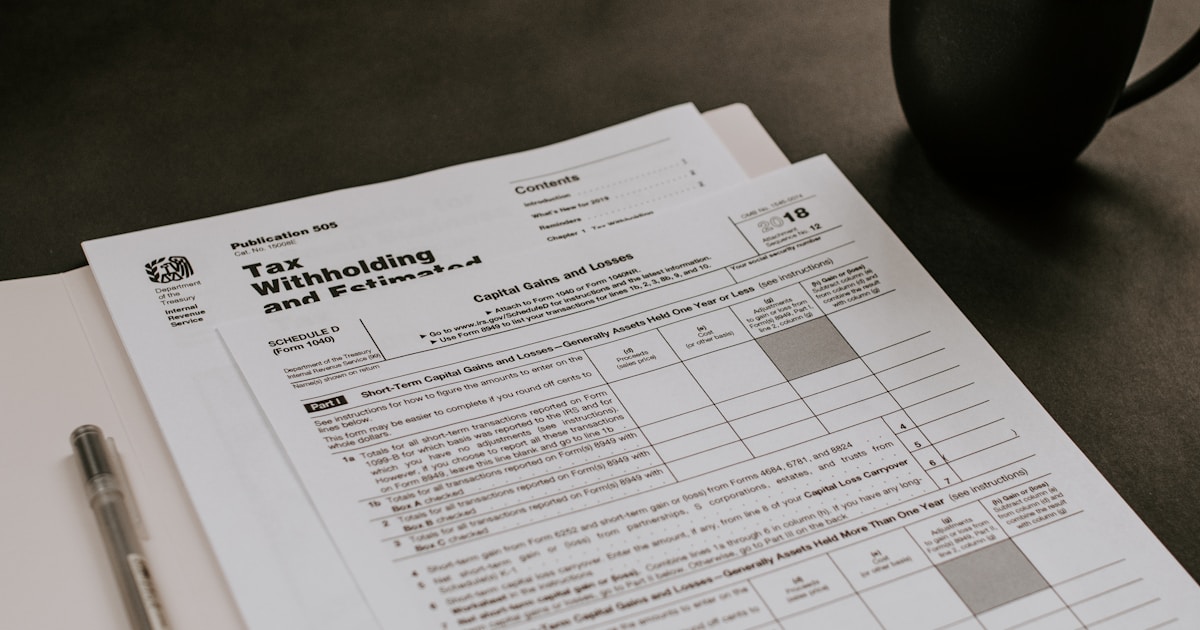
Invoice, quote, and estimate — three documents that look similar but serve different purposes. Learn when to use each and how they work together in your billing workflow.
Invoice, quote, and estimate — three documents that look similar but serve different purposes at different stages of the sales cycle. Using the wrong one causes confusion and can create legal or practical problems.
What Is an Estimate?
An estimate is a rough projection of cost. It is non-binding. It says "based on what you have told me, it might be around this much." Estimates often include disclaimers that the final price may change. Use them early in the process when scope is unclear.
What Is a Quote?
A quote (or quotation) is a fixed price offer. It is often binding for a set period (e.g., 30 days). It says "if you accept, this is what you will pay." Once the client agrees, you do the work and then issue an invoice for that amount. Use it when the scope is clear enough to commit to a price.
What Is an Invoice?
An invoice is a demand for payment. You send it after you have delivered the work or goods. It says "you owe this amount; here is how to pay." It creates a formal record of the transaction.
When Each Is Used in the Sales Cycle
Typical flow: Estimate (early exploration) → Quote (fixed offer) → Work delivered → Invoice (payment request). You might skip the estimate if the scope is clear. You might skip the quote for very small jobs and go straight to an invoice after delivery.
Can Prices Change Between Them?
Estimate to quote: Yes. The estimate is preliminary. The quote locks in the price (for a period).
Quote to invoice: Usually no. The quote is the agreement. The invoice should match it unless you agreed to changes (e.g., extra work) in writing.
Legal Binding
Estimates are generally not binding. Quotes can be binding when accepted. Invoices document an existing obligation to pay. The exact legal effect depends on your jurisdiction and how the documents are worded. When in doubt, state clearly: "This is an estimate only" or "This quote is valid for 30 days."
Common Confusion
Client asks for an invoice before work starts. They may mean a quote or proforma. Clarify: "I will send a quote for approval first. Once you approve and I complete the work, I will send the invoice."
Client pays against a quote. That can work for small jobs. For larger work, it is cleaner to issue an invoice after delivery so the paper trail is clear.
Use the right document at the right stage, and your billing workflow stays clear for you and your clients.
Related Articles
Recurring Billing Trends for 2026: What Is Changing
The latest trends in recurring billing for 2026 — from AI-powered billing optimization to embedded payments and flexible pricing models.
How to Use Recurring Invoices to Grow Your Consulting Business
Strategies for consultants to use recurring invoices to build predictable revenue, retain clients longer, and grow their consulting practice.
Recurring Invoice Security: Protecting Client Payment Data
How to protect client payment data in recurring billing — PCI compliance, data encryption, access controls, and security best practices.