Tax Invoice and GST: Format, Rules, and How to Stay Compliant
We help freelancers and small businesses get paid faster with simple invoicing tools.
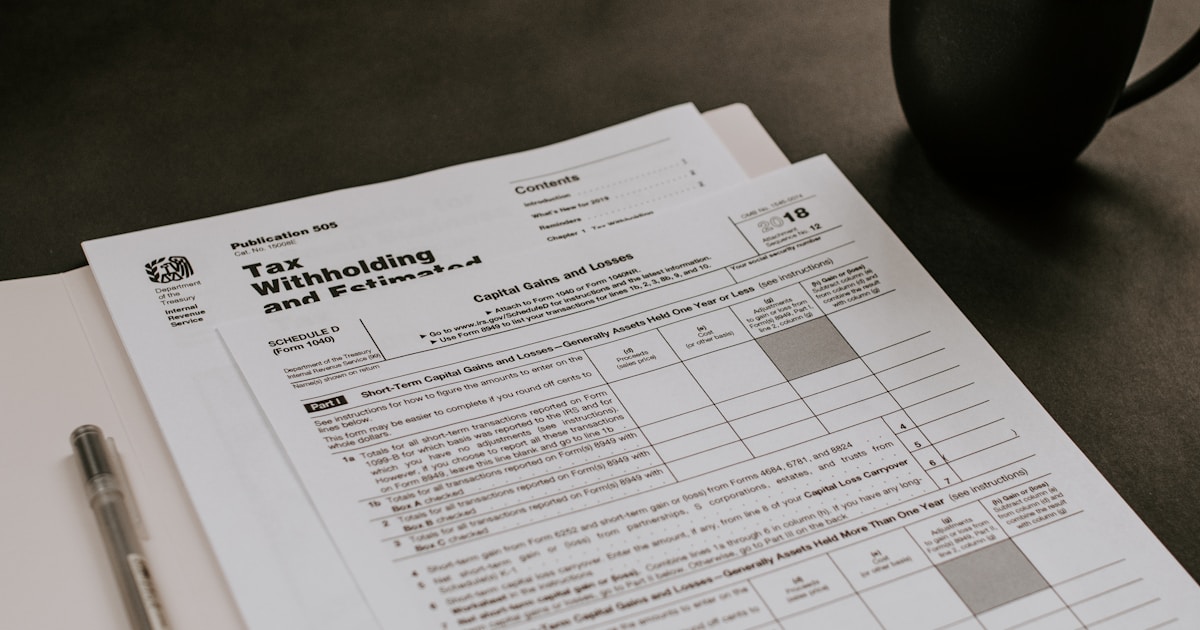
Getting your tax invoice wrong can mean rejected input tax credits and unnecessary penalties. This guide walks through GST invoice rules, mandatory fields, and the exact format your invoices need to follow.
If your business is registered under GST, every sale you make needs a tax invoice that follows specific rules. Get the format wrong, and your buyer cannot claim their input tax credit — which means they will think twice before doing business with you again.
Tax invoices are not just about compliance. They are the documents that keep the entire GST chain working. Seller collects output tax, buyer claims input tax, and the government gets its share. Without correctly formatted invoices, the whole system breaks down.
Tax Invoice vs. Regular Invoice
A regular invoice says "you owe me this much." A tax invoice says that plus "here is exactly how much tax is included, broken down by rate and type." The difference matters because tax authorities use these documents to verify that the right amount of tax was collected and reported.
Under GST, you must issue a tax invoice for every taxable supply of goods or services. There are a few exceptions — composition scheme dealers issue a Bill of Supply instead, and exempt goods do not need tax invoices — but for most businesses, the tax invoice is the default document.
Mandatory Fields on a GST Invoice
GST law specifies exactly what a tax invoice must contain. Missing any of these fields can invalidate the document:
- Supplier name, address, and GSTIN. Your 15-digit GST Identification Number goes right at the top.
- Invoice number. Must be unique and sequential within a financial year. You cannot reuse numbers or leave gaps without documentation.
- Date of issue. The date you created the invoice.
- Recipient name and address. For B2B transactions, the buyer's GSTIN is also mandatory.
- HSN or SAC code. The Harmonized System of Nomenclature code for goods, or the Services Accounting Code for services. These classify what you are selling for tax purposes.
- Description, quantity, and value. What you sold, how much, and for how much — before tax.
- Tax rate and amount. Broken down into CGST and SGST for intra-state sales, or IGST for inter-state sales. Show each component separately.
- Place of supply. Determines whether the transaction is intra-state or inter-state, which affects which tax components apply.
- Total invoice value. The final amount including all taxes.
- Signature. Physical or digital signature of the supplier or an authorized representative.
Getting the Tax Breakdown Right
The tax section is where most mistakes happen. Here is how it works:
Intra-State Sales (Within the Same State)
When you sell to a buyer in the same state, you split the GST into two equal parts: CGST (Central GST) and SGST (State GST). So if the GST rate is 18%, you show 9% CGST and 9% SGST on the invoice.
Inter-State Sales (Different States)
When selling across state lines, you charge IGST (Integrated GST) at the full rate. So 18% GST becomes 18% IGST — one line instead of two.
Multiple Tax Rates on One Invoice
If your invoice includes items at different GST rates (say some at 12% and others at 18%), group them separately. Show the taxable value and tax amount for each rate. Mixing them together is a fast track to rejection during reconciliation.
Common Tax Invoice Mistakes
These errors seem small but can cost you or your clients real money:
- Wrong GSTIN. A single transposed digit in the buyer's GSTIN means they cannot claim input tax credit. Always verify the number before issuing the invoice.
- Incorrect HSN/SAC codes. Using the wrong classification code can trigger different tax rates, leading to under- or over-collection of tax.
- Missing place of supply. This determines whether you charge CGST+SGST or IGST. Get it wrong and the entire tax calculation is off.
- Non-sequential numbering. Gaps in your invoice sequence raise red flags during audits. If you void an invoice, keep a record of why.
- Late issuance. GST rules specify time limits for issuing invoices. For goods, it is the date of removal or delivery. For services, it is within 30 days of providing the service.
Types of Tax Documents Under GST
The tax invoice is the most common document, but GST recognizes several others for specific situations:
- Bill of Supply. Used by composition scheme dealers or for exempt supplies. No tax breakdown included because no tax is charged.
- Receipt Voucher. Issued when you receive advance payment before delivering goods or services.
- Credit Note. Issued when you need to reduce the tax liability — because of a return, discount, or billing error on the original invoice.
- Debit Note. The opposite of a credit note. Issued when additional tax needs to be charged, usually because the original invoice undercharged.
Digital Tax Invoicing
Paper invoices are legal, but digital invoicing is where everything is heading. E-invoicing is already mandatory for businesses above certain turnover thresholds, and the limit keeps dropping. Using invoicing software that generates GST-compliant invoices with correct HSN codes, tax calculations, and sequential numbering saves you from manual errors and keeps you ready for whatever compliance changes come next. You can create a tax invoice for free using our online generator — it handles multi-currency and tax calculations automatically.
The bottom line: treat your tax invoices as seriously as you treat your tax returns. They are the foundation that everything else builds on.
Related Articles
Recurring Billing Trends for 2026: What Is Changing
The latest trends in recurring billing for 2026 — from AI-powered billing optimization to embedded payments and flexible pricing models.
How to Use Recurring Invoices to Grow Your Consulting Business
Strategies for consultants to use recurring invoices to build predictable revenue, retain clients longer, and grow their consulting practice.
Recurring Invoice Security: Protecting Client Payment Data
How to protect client payment data in recurring billing — PCI compliance, data encryption, access controls, and security best practices.