How to Follow Up on an Unpaid Invoice
We help freelancers and small businesses get paid faster with simple invoicing tools.
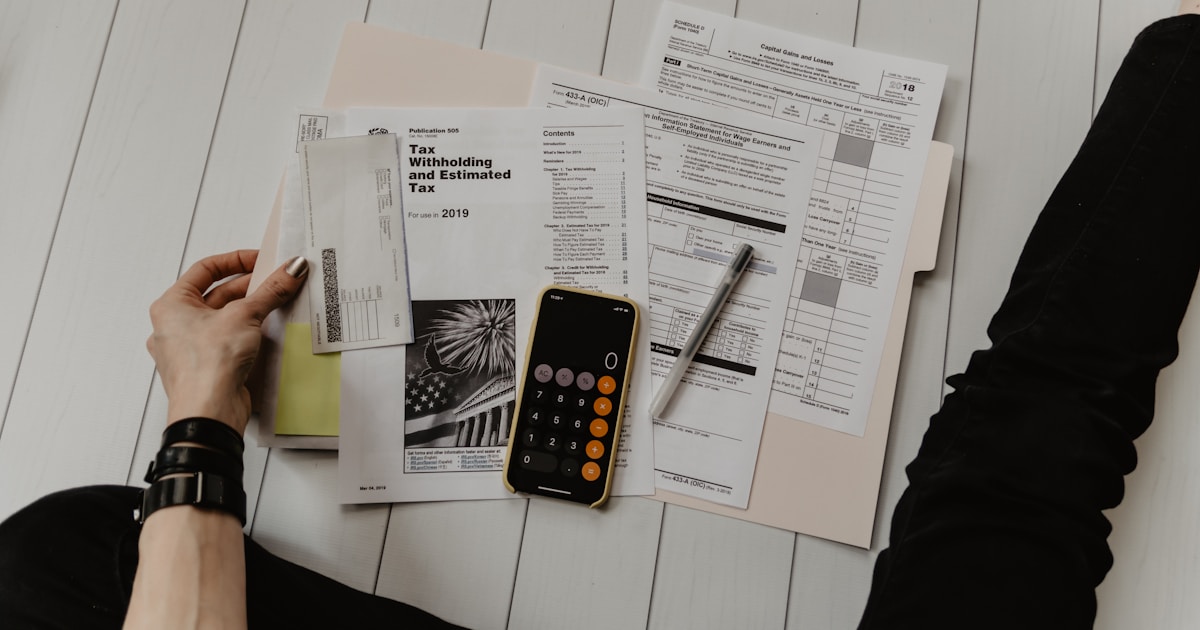
Your invoice is overdue. Here are professional email templates and a timeline for following up — from gentle reminders to firm final notices.
How to Follow Up on an Unpaid Invoice Without Damaging the Relationship
Sending a follow-up on an unpaid invoice is something most freelancers and small business owners dread — but it doesn't have to be awkward or damaging to your client relationships. With the right approach, you can recover payment while keeping the working relationship intact. Here's exactly how to do it.
The Mindset Shift That Changes Everything
Most people who struggle with invoice follow-ups are treating it as a confrontation. It's not. Requesting payment for work you've delivered is a completely normal, professional business activity. Clients who have no intention of paying know this too — and a polite, professional follow-up is appropriate in every case.
Shift your internal framing: you're not being aggressive by following up. You're being businesslike. The alternative — waiting indefinitely and saying nothing — helps no one and signals to clients that your invoices are optional.
Timing: When to Follow Up
The timing of your follow-ups matters. Here's a recommended schedule:
- 1 week before due date: Optional courtesy reminder — "Just a heads-up that Invoice #[X] for [amount] is due on [date]." This is proactive and sets expectations.
- 1-2 days after due date: First follow-up. Brief, friendly, assumes the oversight was accidental.
- 1 week after due date: Second follow-up. Slightly more formal, references the previous message, asks for an update on payment timeline.
- 2-3 weeks after due date: Third follow-up. Direct, mentions late fees if applicable, asks for a call to discuss.
- 1 month after due date: Formal overdue notice. States consequences if payment isn't received by a specific date.
This escalation ladder covers most scenarios. The majority of overdue invoices are resolved within the first two follow-ups — genuine oversight, busy approvals queues, and payment processing delays account for most late payments.
Email Templates That Actually Work
First Follow-Up (1-2 days after due date)
Subject: Invoice #[Number] — Payment Due [Date]
Hi [Name],
Just following up on Invoice #[Number] for [amount], which was due on [date]. I've attached the invoice again for easy reference.
Please let me know if you have any questions or if there's anything I can help with on your end.
Thanks,
[Your name]
Second Follow-Up (1 week after due date)
Subject: Following Up: Invoice #[Number] Now [X] Days Past Due
Hi [Name],
I wanted to follow up again regarding Invoice #[Number] for [amount], which was due on [date] and is now [X] days overdue.
Could you give me an update on the payment timeline? If there's a question about the invoice or if you're working through an approval process, please let me know — I'm happy to help however I can.
Invoice attached.
Best,
[Your name]
Third Follow-Up (2-3 weeks after due date)
Subject: Urgent: Invoice #[Number] — [Amount] Overdue
Hi [Name],
Invoice #[Number] for [amount] is now [X] days past due. I've followed up a couple of times and haven't heard back.
Could we schedule a quick call this week to discuss? I want to make sure we can resolve this quickly. If there's a cash flow issue or any other concern, I'm open to discussing a payment arrangement.
[Late fee notice if applicable: Per our agreement, a late fee of [X%] has been applied.]
Please let me know a good time to connect.
[Your name]
How to Follow Up Without Being Annoying
A few principles that keep follow-ups professional and effective:
- Always attach the invoice: Never make the client find it themselves. Every follow-up should include the invoice as an attachment or a direct link.
- Keep it brief: A short, clear message is more likely to get a response than a long explanation of why you need payment.
- One communication channel at a time: If email isn't working after two attempts, escalate to a phone call or text — don't send the same message to five different channels simultaneously.
- Make payment as easy as possible: Include your payment link, UPI ID, or bank transfer details in every follow-up. Remove every possible friction point.
- Don't apologize for following up: "I'm so sorry to bother you" signals that following up on your own invoice is inappropriate. It isn't. Skip the apology.
When the Client Disputes the Invoice
Sometimes a follow-up will surface a dispute: the client says the work wasn't what was agreed, the invoice amount is wrong, or they have a different understanding of the scope. Handle these promptly and professionally:
- Ask the client to specify their concern in writing
- Review your original agreement, scope document, or email chain
- If the concern is legitimate, issue a corrected invoice
- If the concern is unfounded, respond with the specific documentation that supports your invoice
A documented dispute that you respond to professionally is far better than an undocumented dispute where neither party's position is clear.
Automating Your Follow-Up Process
The most effective follow-up strategy is one that happens automatically, so you never have to remember to chase invoices. Most modern invoicing software allows you to configure automatic payment reminders at specific intervals — before due, on due date, and X days after due. Set these up once and let the system handle routine follow-ups on your behalf.
Automated reminders are also less emotionally loaded than manual emails. Clients understand that a reminder system sends these messages, which can actually reduce any awkwardness around the follow-up.
The Long-Term Approach: Preventing Late Payment
The best invoice follow-up is the one you never need to send. A few practices that dramatically reduce late payments:
- Invoice immediately on completion — don't wait days or weeks
- Include clear payment terms on every invoice (Net-14 or Net-30)
- Make payment instructions prominent on the invoice (payment link, UPI, bank details)
- Require deposits for new clients and large projects
- Set up automatic reminders through your invoicing software
When you treat invoicing as a disciplined business process rather than an afterthought, late payments become the exception rather than the norm.
Related Articles
Recurring Billing Trends for 2026: What Is Changing
The latest trends in recurring billing for 2026 — from AI-powered billing optimization to embedded payments and flexible pricing models.
How to Use Recurring Invoices to Grow Your Consulting Business
Strategies for consultants to use recurring invoices to build predictable revenue, retain clients longer, and grow their consulting practice.
Recurring Invoice Security: Protecting Client Payment Data
How to protect client payment data in recurring billing — PCI compliance, data encryption, access controls, and security best practices.