Invoice Due Date: Best Practices for Getting Paid on Time
We help freelancers and small businesses get paid faster with simple invoicing tools.
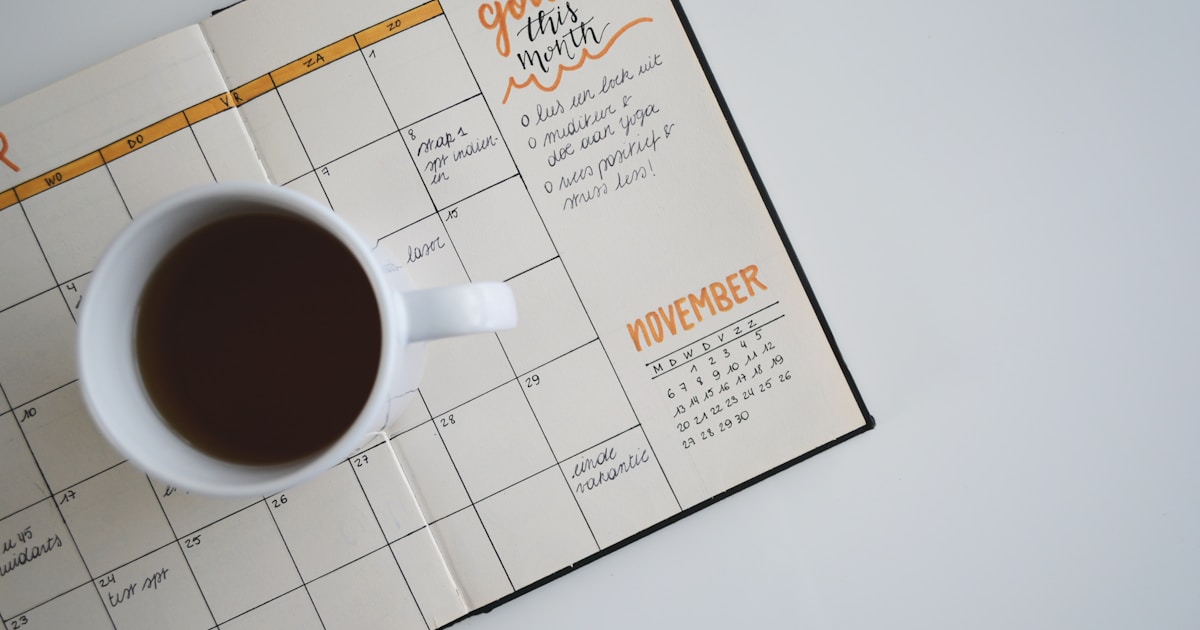
The due date on your invoice matters more than you think. Shorter payment terms mean faster cash flow, but you need to balance client expectations. Here is how to set the right due date.
The due date on your invoice is not just a formality — it directly affects when you get paid. Set it too far out and you are giving the client permission to wait. Set it too aggressively and you risk annoying a new client. Here is how to find the right balance.
Common Payment Terms Explained
- Due on receipt — Payment expected immediately when the invoice is received. Best for small, one-off jobs.
- Net 7 — Payment due within 7 days. Aggressive but fair for small invoices and established relationships.
- Net 15 — Payment due within 15 days. A good default for freelancers and small businesses.
- Net 30 — Payment due within 30 days. The corporate standard. Required by many larger companies.
- Net 60 / Net 90 — Payment due within 60 or 90 days. Common in construction, government, and large enterprise contracts. Hard on cash flow.
For a deeper dive into payment terms, see our complete guide on invoice payment terms and what Net 30 means.
Which Payment Term Should You Use?
Freelancers and solopreneurs
Start with Net 15 or due on receipt. You need cash flow, and you do not have the financial cushion to wait 30+ days. For retainer clients, bill at the beginning of the month with payment due before work starts.
Small businesses
Net 15 to Net 30 works for most B2B relationships. Match the norm in your industry — if everyone else offers Net 30, you probably should too.
Enterprise and government clients
You may be required to accept Net 30 to Net 60. If so, negotiate for shorter terms on future contracts, or factor the wait time into your pricing.
Tips to Get Paid Faster
- Offer a small early payment discount — "2% discount if paid within 10 days" (written as "2/10 Net 30") motivates faster payment.
- Add late payment fees — State clearly: "A late fee of 1.5% per month will be applied to overdue balances." See our guide on late payment fees.
- Invoice immediately — Do not wait until the end of the month. Send the invoice the day you deliver the work.
- Make it easy to pay — Include a payment link, bank details, and multiple payment options.
- Use recurring invoices — For ongoing work, set up recurring invoices so clients know exactly when to expect the bill.
The Bottom Line
Shorter payment terms equal faster cash flow. Start with Net 15 unless your industry demands otherwise, include clear late payment policies, and always make it easy for clients to pay. Use our free invoice generator to create your next invoice with clear payment terms, or sign up for InvoiceBlitz to automate the entire process.
Related Articles
Recurring Billing Trends for 2026: What Is Changing
The latest trends in recurring billing for 2026 — from AI-powered billing optimization to embedded payments and flexible pricing models.
How to Use Recurring Invoices to Grow Your Consulting Business
Strategies for consultants to use recurring invoices to build predictable revenue, retain clients longer, and grow their consulting practice.
Recurring Invoice Security: Protecting Client Payment Data
How to protect client payment data in recurring billing — PCI compliance, data encryption, access controls, and security best practices.